
Strategy
Consumers
•
Data
•
Analytics
•
Strategy
•
Target Audience
•
Marketing
•
Consumers • Data • Analytics • Strategy • Target Audience • Marketing •
Everything is backed by research. It’s the foundation of marketing communications, so it needs to be precise.
A failed strategy means a failed campaign.
I’ve worked on a few research projects in both high school and college classes, and the main thing I’ve learned from them is to not create data to support a prediction but instead vice versa. Sometimes the truth is hard.
It’s integral to understand the intricacies of statistics, data - and yes, Microsoft Excel - in order to become an advertising strategist.

-
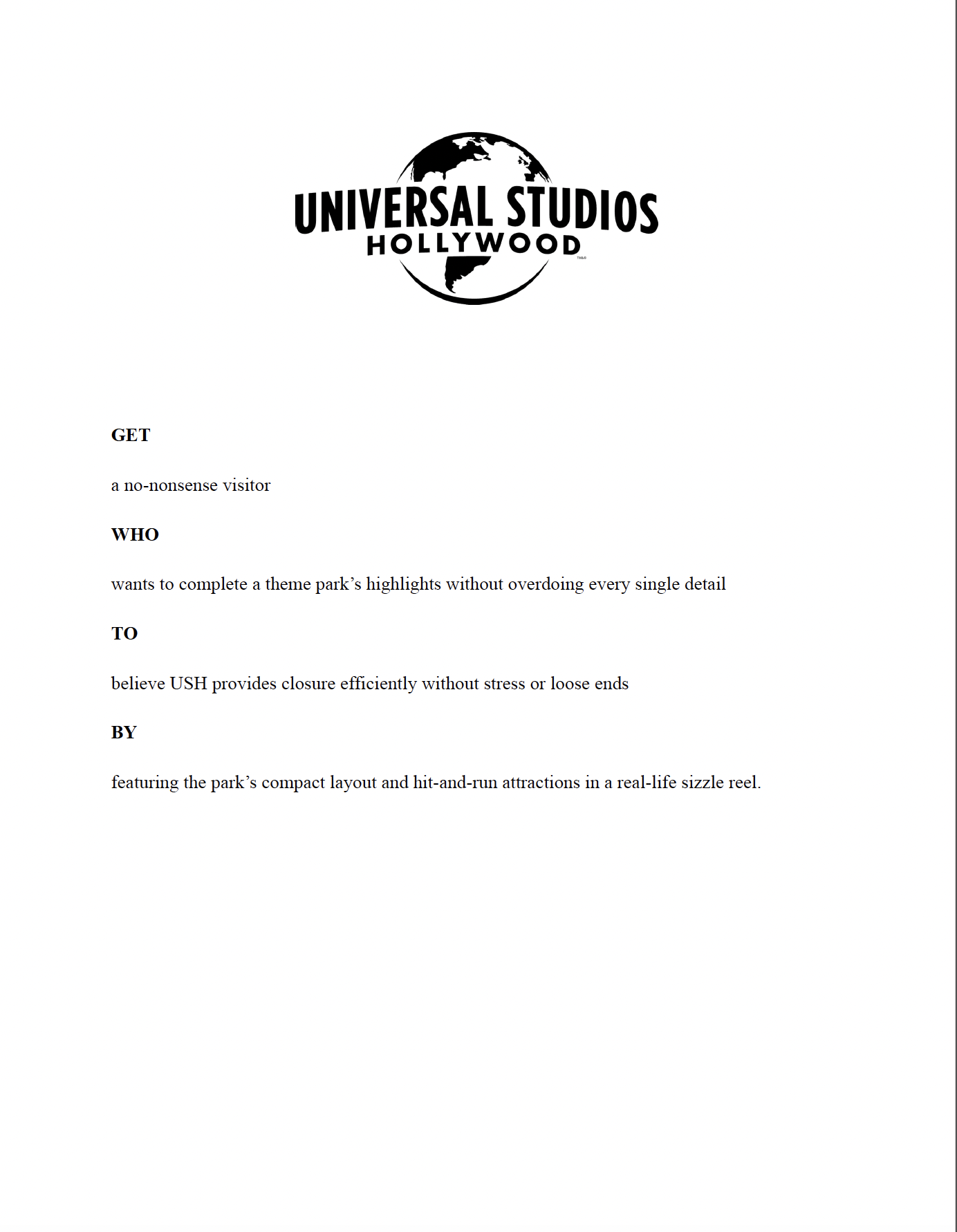
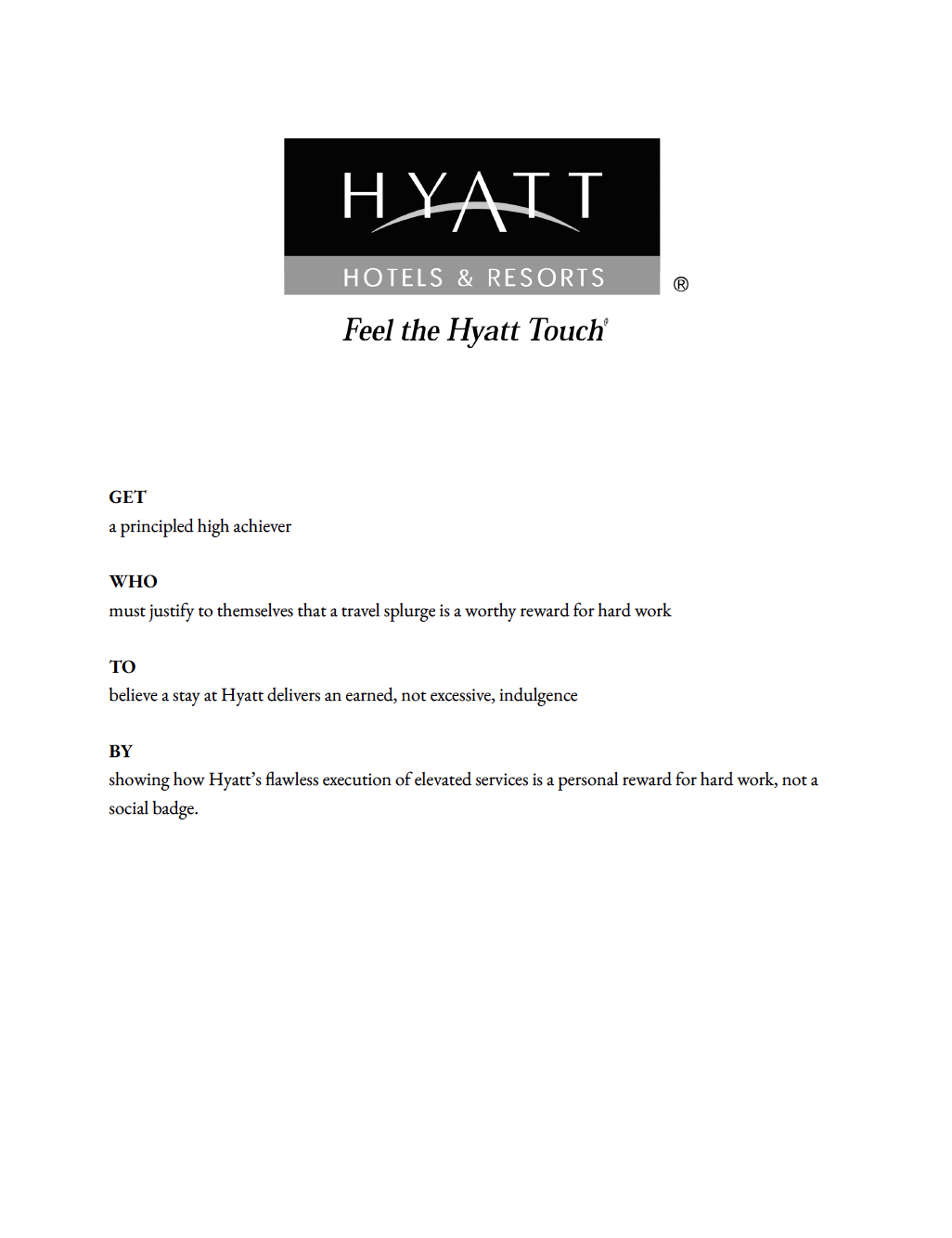
A brief that uses a Get-Who-To-By format that outlines psychographic tension.
-
Brief for Universal Studios Hollywood targeting consumers overwhelmed with choices.
-
A brief for LA’s destination marketing organization targeting travelers in decision paralysis.
-
This was the final assignment for Intro to Consumer Research, and alongside all the previous assignments, I was given the task of understanding the Kroger Company’s target audience. I then had to construct a strategy that fit both that audience and the company’s goals.
-
This is a section from my Intro to Management team’s business plan project. We ideated a fitness planning app that utilizes AI to create goals tailored to each customer. Coming up with a marketing strategy required a lot of data gathering and sifting.
Risky Strategy
Sometimes, consumers will just say “no” — and that’s OK. Advertising to people who wouldn’t want the product in the first place is useless.
With that said, creative briefs need to be a little risky. They need to be so specific to that brand that it actually might deter some people. But that’s for the best. It makes media just a little less cluttered when the right message gets to the right people.
Skills
Research • Analyzing • Academic Writing • Microsoft Excel • MRI Simmons • Simply Analytics • Brief Writing